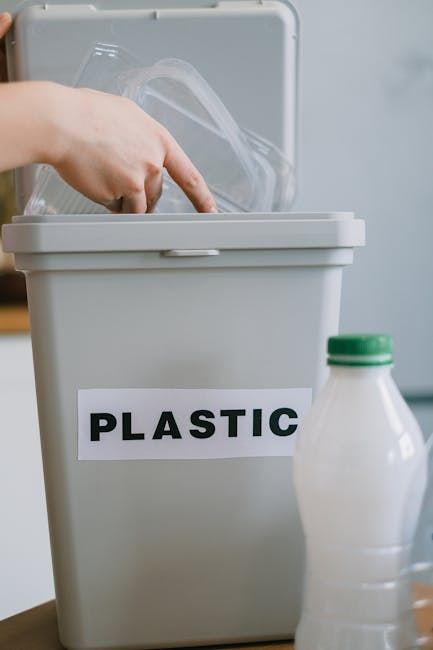
Waste disposal rules in Lambeth for removal companies
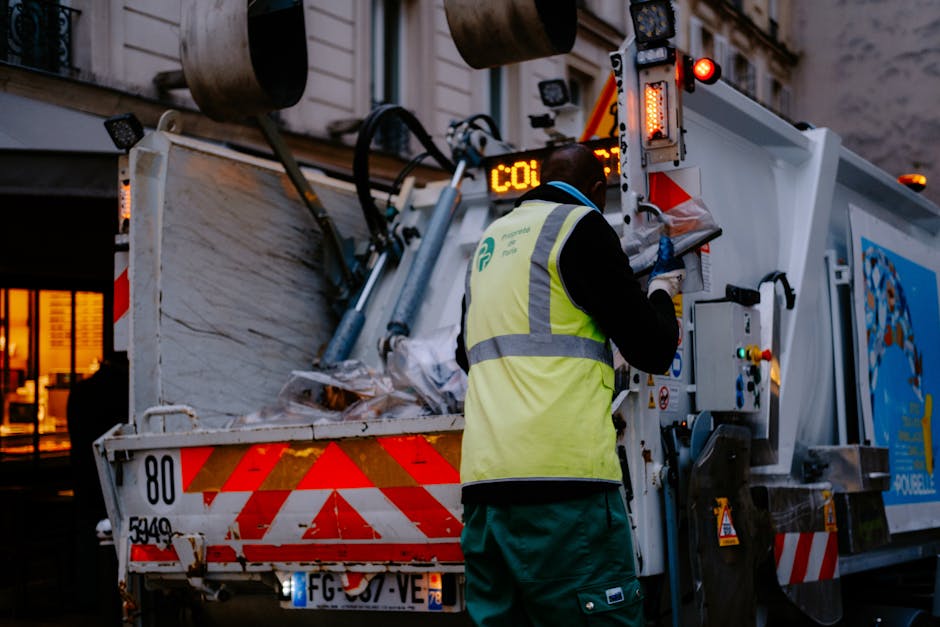
If you run removals in Lambeth, waste is never just "leftovers from the job". It can be part of the move itself, part of the risk, and sometimes the bit that causes the most trouble. Waste disposal rules in Lambeth for removal companies affect how you sort, carry, transfer, document, and recycle items after a house move, office relocation, or furniture pick-up. Get it wrong and you can end up with unhappy customers, avoidable costs, or worse, a compliance headache that should have been easy to avoid.
In practice, the rules are about more than bin bags and broken boxes. They touch duty of care, correct waste segregation, safe handling, and using appropriate disposal routes. This guide breaks it down in plain English so your team can work cleanly, legally, and with less fuss. Truth be told, that usually makes the whole move run smoother too.
Why waste disposal rules in Lambeth for removal companies Matters
Lambeth is busy, dense, and not especially forgiving when waste is handled badly. A van parked in the wrong place, a pile of cardboard left by a kerb, or mixed rubbish dumped with no plan can cause complaints very quickly. For removal companies, the issue is not only whether waste leaves the property; it is where it goes next and whether the transfer is controlled.
That matters because removal firms often handle awkward, mixed loads. One job might include boxes, packaging foam, old furniture, small electricals, dismantled shelving, and the odd bag of household rubbish the customer wants gone. Another job might be an office move with confidential paper waste, printers, and worn-out furniture. Each of those needs a different level of care.
There is also the reputation side. Customers in Lambeth notice whether a move looks tidy and professional. A team that sweeps up, separates recyclables, and explains what will be reused or disposed of properly tends to look more credible. That, in turn, builds trust for future work. Simple really, but easy to overlook in the rush.
If you want a sense of how waste handling fits into a wider service standard, it helps to review a company's recycling and sustainability approach alongside its operational promises. A responsible removals business should not treat waste as an afterthought.
How Waste disposal rules in Lambeth for removal companies Works
The basic principle is straightforward: if your company takes possession of waste, you should know what it is, how it is stored, and who is responsible for it until it is lawfully transferred. In UK practice, that means you need a system for identifying waste, keeping it separate where needed, and sending it to the right outlet. In London, the operational reality is often tighter because space is limited and access can be awkward.
For removal companies in Lambeth, the process usually looks something like this:
- Inspect the load before or during the move.
- Separate reusable items, recyclable material, and true waste.
- Keep hazardous or specialist items apart.
- Load waste securely so it does not spill or blow out.
- Transfer it to an authorised collection, recycling, or disposal route.
- Keep records where needed, especially for business waste.
That sounds dry, but in the real world it saves time. A van full of mixed junk is harder to manage, smells worse by the end of the day, and creates more chance of the wrong item being disposed of in the wrong way. Nobody wants that on a wet Tuesday in South London.
Customers often assume "removal" and "disposal" are the same thing. They are not. A removals team may transport items, but once waste is involved, the company should be working with the same discipline it would use for any regulated handling process. Many firms integrate this with broader services such as removal services or man with van support, but the waste side still needs its own checks.
Key Benefits and Practical Advantages
Following Lambeth waste disposal rules properly is not only about avoiding problems. It also makes day-to-day operations cleaner and more efficient. The best-run removal companies usually treat disposal as part of service quality, not just compliance.
- Fewer complaints: Customers are less likely to complain when packaging, furniture, and rubbish are removed tidily and responsibly.
- Better time control: Clear sorting at source prevents last-minute reshuffling back at the depot or transfer point.
- Lower contamination risk: Mixed waste can ruin otherwise recyclable material. One wet food container in a cardboard load, and the whole batch may become harder to process.
- Safer crews: Proper handling reduces sharps, dust, lifting strain, and awkward items being moved twice.
- Stronger professional image: A clean handover makes your team look organised, which matters in residential streets and offices alike.
There is also a commercial upside. Customers who care about responsible disposal often care about the whole service experience. If you can explain how you handle unwanted furniture, packaging, and non-salvageable items, you are speaking directly to what many people worry about but do not always ask out loud.
Expert takeaway: Good waste handling is not separate from removals. It is part of the same promise: you leave a space in better order than you found it.
Who This Is For and When It Makes Sense
This guidance is relevant to any removal company working in Lambeth, whether you are doing domestic jobs, commercial moves, or one-off furniture collections. It also matters if you subcontract van work, use temporary crews, or offer same-day clearance alongside removals.
Here are the situations where the rules matter most:
- House moves: old mattresses, broken wardrobes, flat-pack packaging, and garden waste can all turn up at short notice.
- Office relocations: there may be data-bearing devices, confidential paper, printers, IT peripherals, and unwanted office furniture.
- End-of-tenancy clearances: tenants sometimes leave more than expected, and time pressure is high.
- Furniture collection jobs: the item is often bulky, heavy, and not fit for ordinary bin collection.
- Man and van work: smaller jobs can still generate waste that needs proper segregation and transfer.
If your company also supports larger jobs such as office removals or house removals, you will know how quickly waste can multiply during dismantling and packing. One small pile turns into three. It happens every time, more or less.
Step-by-Step Guidance
If you want a practical workflow, use the steps below as your operating baseline. It keeps things simple without cutting corners.
1. Identify what is actually waste
Not everything unwanted is waste. Some items can be reused, donated, repaired, or sold. A decent first question is: can this item still do a job for someone else? If yes, do not rush it into the rubbish pile.
2. Separate materials at source
Cardboard, clean soft plastics, wood, metal, electrical items, and general waste should not all go into one bucket if you can avoid it. Separation on site is usually easier than sorting a mixed load later. Your crew will thank you for that around 4 p.m., when energy is running low and the van is full.
3. Flag anything that needs special handling
Batteries, paint, chemicals, fridges, fluorescent tubes, and some electrical goods need extra care. If you are unsure, pause and check before loading. A quick pause is far better than a messy assumption.
4. Load securely and safely
Waste should be loaded so it cannot fall, leak, or create a hazard in transit. Heavy items go low. Sharp or breakable items are padded or isolated. Loose debris should be contained.
5. Transfer to a proper destination
The next step should be an approved reuse, recycling, or disposal route. For a removal company, the key is not just moving material away from the customer; it is ensuring the chain of handling remains responsible from start to finish.
6. Record what you took
Keep notes on the waste category, where it came from, and where it went. This is especially useful when you are handling business waste or repeated collections. Good records protect the company if a customer later asks, "What happened to the old units?"
Expert Tips for Better Results
After enough removals work, a pattern becomes obvious: the companies that stay out of trouble are usually the ones that build waste handling into the job plan early.
- Ask disposal questions at quote stage. If the customer might want furniture removed, broken items taken away, or packaging cleared, mention it before the job starts.
- Use separate sacks or crates for different waste streams. It sounds obvious, but mixed waste is the fastest way to create chaos.
- Train crews to identify common trouble items. Batteries, bulbs, toner cartridges, and small electricals are easy to miss.
- Do a final sweep room by room. A quick check of cupboards, corners, and under desks often reveals extra waste. You know the drill.
- Partner disposal with sustainability messaging. If you can show customers that you prioritise reuse and recycling, it gives your service more weight.
If your team also provides packing support, then linking disposal planning with packing and unpacking services can reduce waste at source. Better packing means less damage, less breakage, and fewer items heading for disposal later.
A slightly unglamorous tip, but an important one: keep gloves, tape, sacks, and a few labelled containers in the van. The right kit saves a lot of faffing about.
Common Mistakes to Avoid
Most waste problems in removals are predictable. That is the good news. The less good news is that they keep happening.
- Mixing everything together: once waste streams are blended, recycling options drop and sorting becomes slower.
- Assuming the customer will handle disposal: if your company takes the item, your process should already be clear.
- Ignoring office waste rules: commercial jobs often involve confidential or specialist material that needs extra care.
- Leaving bulky waste on the street: even briefly, this can create complaints and visibility problems.
- Forgetting to ask about hazardous items: this is a classic "we'll deal with it later" trap. Later usually costs more.
- No documentation: if you cannot show what was removed and where it went, you are relying on memory. That is never ideal.
Another mistake, and a sneaky one, is overpromising. If a customer asks for a full clear-out, do not say yes unless you are certain your team can handle the waste type safely and lawfully. It is better to be honest than heroic.
Tools, Resources and Recommendations
You do not need a complicated system to run a compliant waste process. You need a practical one.
| Need | Useful approach | Why it helps |
|---|---|---|
| Waste sorting | Labelled bags, crates, or bins | Reduces contamination and saves time |
| Safe handling | Gloves, wraps, straps, and dollies | Limits injury and load movement |
| Record-keeping | Job notes or waste log | Supports accountability and customer queries |
| Reuse options | Separate area in van or storage space | Protects salvageable items from damage |
| Team training | Short pre-job brief | Keeps standards consistent across crews |
For companies comparing service models, waste handling should be considered alongside vehicle choice and load capacity. A company using a moving van may work differently from one running a larger moving truck, but both still need a clear disposal process.
You may also want to review internal policies such as health and safety policy and insurance and safety so your disposal workflow fits the wider operating system. That tends to prevent gaps. Gaps are where trouble lives.
Law, Compliance, Standards, or Best Practice
Without pretending to give legal advice, the general expectation in the UK is that businesses handling waste must act responsibly, keep it secure, and transfer it correctly. For removal companies in Lambeth, that means understanding the difference between household waste, commercial waste, recyclable material, and anything that requires specialist treatment.
Good practice usually includes:
- checking what type of waste you are taking before it leaves the property
- preventing illegal dumping or fly-tipping by using proper transfer routes
- keeping clear internal procedures for mixed loads
- training staff to recognise unusual or risky waste items
- maintaining honest records and customer communication
For office and business clients, the bar is usually higher because there may be confidential material, equipment, or items with data risk. A removals company that understands those concerns is easier to trust. If you also handle business relocations, it helps to align waste handling with commercial moves processes so the move plan and disposal plan match.
Best practice is also about common sense. If something looks hazardous, dusty, leaking, or likely to break during transit, treat it as such. No bravado needed.
Options, Methods, or Comparison Table
Different jobs call for different disposal methods. The right choice depends on item type, volume, and whether the material can be reused or recycled. Here is a simple comparison.
| Method | Best for | Pros | Watch-outs |
|---|---|---|---|
| Reuse | Good-condition furniture and appliances | Best environmental outcome, often valued by customers | Needs safe storage and handling |
| Recycling | Cardboard, metals, selected plastics, some WEEE streams | Reduces landfill and supports sustainability | Contamination can ruin the load |
| Specialist disposal | Hazardous or regulated items | Safer and more compliant | Must be arranged carefully |
| General disposal | True residual waste | Straightforward for non-recyclable material | Should be the last option, not the default |
For many Lambeth jobs, a blended approach works best. A single house move may produce reusable furniture, recyclable cardboard, and residual rubbish all at once. The point is not to force one method onto everything, but to choose deliberately. That little bit of judgement makes a big difference.
Case Study or Real-World Example
Here is a realistic example based on a typical Lambeth move.
A family in a flat near a narrow street has booked a move-out service. During packing, the crew finds several broken kitchen items, flattened boxes, old toys, and a wardrobe that will not survive another move. There is also a bag of mixed household rubbish the residents wanted cleared because the bins were full.
A sloppy approach would be to throw everything into one van bay and deal with it later. A better approach is to separate the cardboard, salvage the reusable toys, wrap the wardrobe panels for controlled removal, and isolate the mixed rubbish so it does not contaminate the recyclable material. The crew then logs what was taken, what will be reused, and what needs proper disposal.
The result? The property is left clean, the customer feels looked after, and the disposal side is easy to explain if asked later. Nothing dramatic. Just neat, professional work done properly. In removals, that is often what people remember most.
For families planning a full move, combining good waste handling with well-organised home moves can reduce stress a lot. Less clutter, fewer surprises, calmer handover.
Practical Checklist
Use this as a quick pre-job or post-job check. It is not fancy, but it works.
- Have you identified all items that count as waste?
- Have you separated reusable, recyclable, and residual waste?
- Have you flagged any batteries, chemicals, bulbs, or electrical items?
- Is the load secured so nothing can shift in transit?
- Do your crew members know where the waste is going?
- Have you noted anything unusual for the job record?
- Did you confirm disposal expectations with the customer?
- Have you checked whether any items need specialist handling?
- Is the property left clean and free from stray packaging?
- Have you reviewed any follow-up requirements for business waste?
If you can tick those off consistently, you are already ahead of many smaller operators. Not glamorous, perhaps, but very effective.
Get a free quote today and see how much you can save.
Conclusion
Waste disposal rules in Lambeth for removal companies are really about responsibility, clarity, and good working habits. When a company knows what it is taking, where it is going, and how to handle it safely, the whole service feels more professional. Customers notice that. So do regulators, landlords, and office managers.
The best results usually come from simple habits: sort early, document clearly, train crews properly, and treat waste as part of the move rather than a messy extra. If you do that, you protect your team, reduce complaints, and create a smoother experience for everyone involved.
And honestly, that is what good removals work should feel like: calm, orderly, and a little less stressful than people expected at 8 a.m. on moving day.
Frequently Asked Questions
What are the basic waste disposal rules for removal companies in Lambeth?
The basic rules are to identify waste correctly, keep it secure, separate recyclable and hazardous items where needed, and transfer it through proper disposal or recycling routes. The company should know what it is carrying and remain accountable for it.
Can a removal company take away household rubbish as part of a move?
Yes, if the service includes it and the company has a proper process for handling the waste. The key is that the rubbish should be dealt with responsibly, not just tipped into a mixed load and forgotten about.
Do removal companies need special handling for electrical items?
Often, yes. Small electricals, appliances, batteries, and similar items may need separate treatment. It is best to identify them early so they do not end up mixed with ordinary waste.
What should a company do with old furniture from a Lambeth property?
Where possible, the company should check whether the furniture can be reused, repaired, or recycled. If not, it should go through an appropriate disposal route. Good-condition items should not be treated as waste too quickly.
Is it enough to just load everything into the van and sort it later?
No, that creates avoidable contamination and safety problems. Sorting at source is usually cleaner, safer, and easier to defend if there is ever a question about what happened to the items.
How do waste disposal rules affect office removals?
Office removals often involve furniture, paper waste, printers, cables, and sometimes confidential materials. That means the removal company needs tighter controls and more careful planning than on a simple domestic job.
What records should a removal company keep?
At a practical level, it helps to keep notes on what was removed, what category it fell into, and where it was taken. Record-keeping is especially useful for repeat business clients and mixed waste jobs.
Can removal companies use the same process for every job?
Not really. A small flat move, a house clearance, and an office relocation can produce very different waste streams. A decent company adjusts its process to the job rather than forcing the same method everywhere.
What is the biggest mistake removal firms make with waste in Lambeth?
Mixing everything together and assuming it will sort itself out later. It rarely does. That usually leads to more work, more contamination, and more stress than anyone needed.
How can a removal company show customers it handles waste responsibly?
By explaining its process clearly, separating waste properly, prioritising reuse and recycling where appropriate, and keeping the job tidy. Customers usually do not want a lecture. They just want confidence that the mess will not become their problem.
Does responsible waste handling help with customer trust?
Absolutely. People notice when a team is careful, organised, and respectful of their space. In Lambeth especially, where access and timing can be tight, that sort of reliability matters a lot.
Where can customers learn more about how a removals company operates?
It helps to look at broader company information, including the about us page, safety policies, and service pages for the kind of move they need. That gives a better picture of how the company works day to day.